How Not To Write In Third Person About Yourself. It can be helpful to think of yourself as if you’re someone else observing yourself from the outside. Is we third person writing?
be more attractive How to Write in Third Person from attractivemore.blogspot.com
Writing in the third person is writing from the perspective of the third person. Good lawyers don’t do this when they practice their craft. This entails employing pronouns like he, her, it, or they.
Besides, We Recommend Starting With A Passage With Both Exposition And Dialogue.
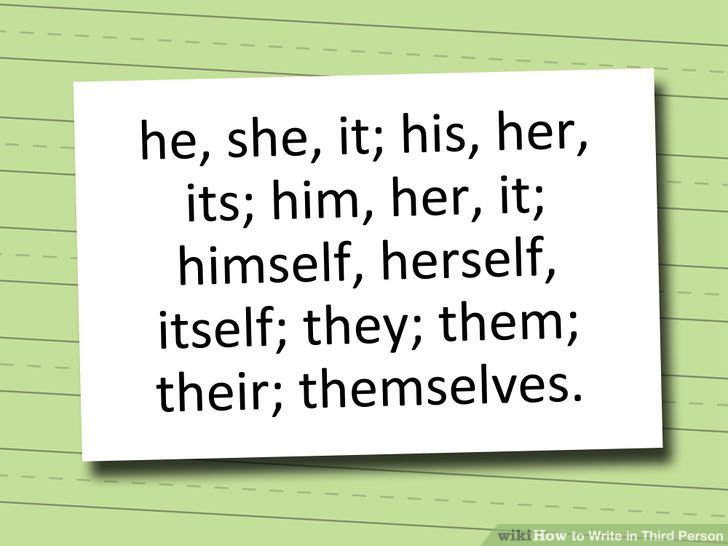
Himself, he, she, it, her, his, its, it, him, them, they, herself, itself and they etc. The term “third person” refers to someone else, i.e., not the writer or a group including the writer (“i,” “me,” “we,” “us”) or the writer’s audience (“you”). For academic purposes, third person writing means that the writer must avoid using subjective pronouns like “i” or “you.”.
This Approach Will Be More Effective If You Make Sure This Scene Is Particularly Exciting To Read Or Problematic.
It also creates a bit of distance between the main character and the reader just by referring to them in the third person. How to write in the third person effectively. Since he's using a pronoun he has to specify the target of the pronoun, which is usually done by starting with his name.
The Third Person Omniscient Point Of View Frequently Appears In Fiction Writing.
This means you can write about an individual by name or alternatively use third person pronouns. “when you’re saying ‘i feel this,’ or ‘i think this,’ you’re so attached to whatever is. Good lawyers don’t do this when they practice their craft.
Some Of These Third Person Pronouns Include:
Letter about myself from the 3rd person. Don’t use first person pronouns. For example, you might write, “she went for a run this morning” instead of “i went for a run this morning.”.
In The Bigger Picture, Don't Let Your Internal Editor Stop You From Writing.
The most effective advocates don’t tell the court, “it is my client’s position that…”. But he can do it. To stay in third person, use pronouns like “he,” “she,” and “it,” and avoid using words like “i” and “me.”.